A good local guide answers the questions people would otherwise call around to ask. When I write one for Bear Lake TV, I’m not trying to sound like a travel magazine. I’m trying to save someone a phone call, a wasted drive or a lost afternoon.
Here’s the method I use every time.
Start with the questions, not the words
Before I write anything, I list what a reader is actually typing into their phone. For a beach guide that’s things like: which side of the lake, is there parking, does it cost anything, can I bring the dog? Those questions become my headings. If a heading doesn’t answer something a real person would ask, it comes out.
Put the facts on top
Date, time, place, cost. Those go in the first two sentences, not the fifth paragraph. Most people read the top of a story and leave, so I make sure the top is enough on its own. Everything after that is the helpful extra.
Let the photo carry information
A pretty picture is nice. A picture that tells you something is better. For Evanston’s holiday kickoff, the sign at Historic Depot Square already had the whole schedule on it: open house 5 to 8 p.m., tree lighting at 5:30 and the Parade of Lights at 6 on Dec. 3. One photo did half the job of the story.
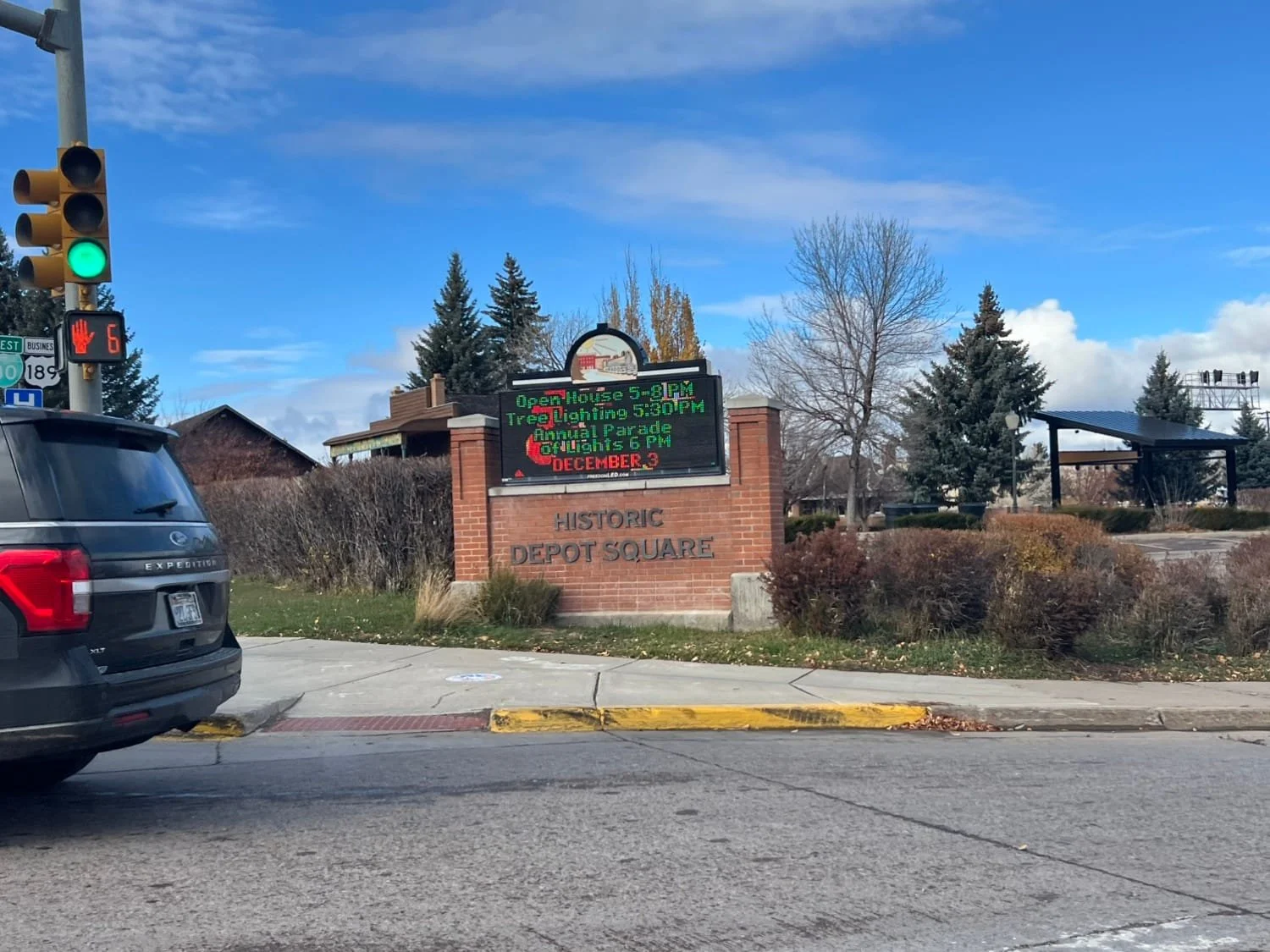
The Historic Depot Square sign in Evanston had the whole Dec. 3 schedule on it. Photo: Darren Eastman / Bear Lake TV
Write the title for search
The title is the one line people see in Google and on Facebook, so I write it plainly. “Best Beaches at Bear Lake: Utah & Idaho Shore Guide” isn’t clever, but it says exactly what’s inside and matches what people search for. I do the same with the description underneath it.
Make it easy to share
Short paragraphs, clear headings and one strong photo make a guide easy to pass along in a group chat or a Facebook post. That’s where a local guide earns its keep: one neighbor sends it to another.
This is the same approach I use across all my sites. Whether it’s a beach, a fishing season or a small-town parade, the job is the same: answer the question, put the facts first, and make it easy to find again.